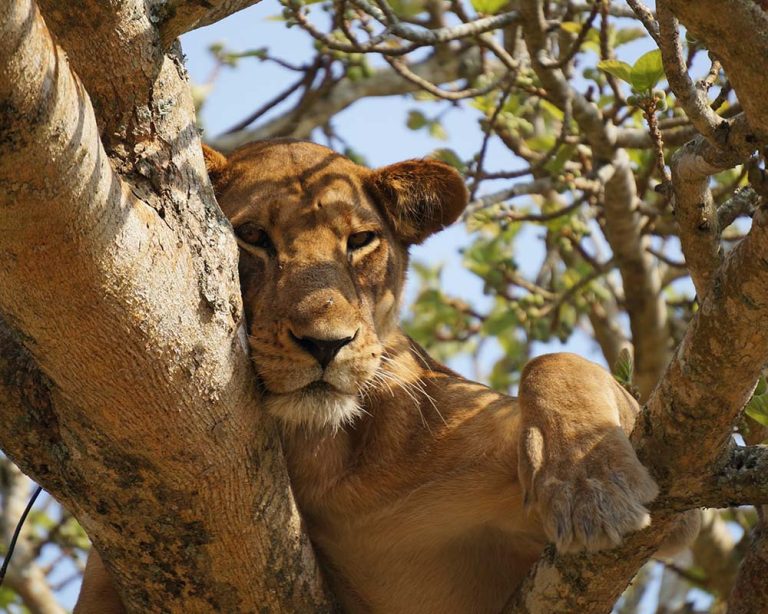
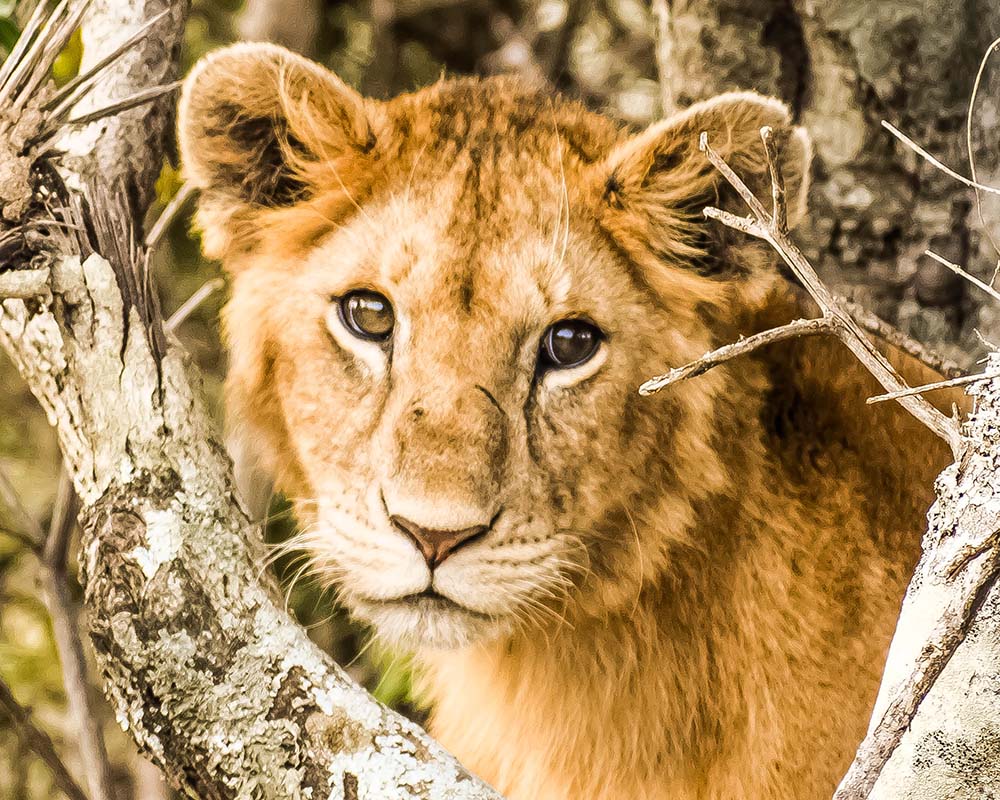
Lions, often called the “kings of the savannah,” go through remarkable stages of growth before reaching adulthood. Their journey from playful cubs to powerful adults is marked by fascinating changes in behavior and social roles.
The Early Days: Lion Cubs
Lion cubs are born blind and helpless, relying entirely on their mothers for warmth, food, and protection. During the first weeks, they remain hidden in thick grass or bushes to stay safe from predators. As they grow, cubs develop playful behaviors such as stalking, pouncing, and wrestling—activities that prepare them for future hunting skills.
Juvenile Stage: Learning Through Play
By the time they are three to six months old, cubs begin joining the pride more often. At this stage, they carefully observe adults during hunts and practice coordination with siblings. Playful chasing and mock fighting continue, helping to build strength and agility.
Sub-Adults: Testing Independence
Between the ages of one and three years, young lions enter the sub-adult stage. Males start showing early mane growth, and both males and females participate more actively in hunting. Sub-adults are often eager and curious but still lack the full strength and experience of mature lions.
Adulthood: Rising to Power
By four to five years, lions reach adulthood. Females begin playing crucial roles in hunting and raising the next generation of cubs. Males, with fully developed manes, may leave their natal pride to challenge other males and establish dominance elsewhere. This stage marks the beginning of their reign as protectors and leaders.
The Circle of Lion Life
From fragile cubs to dominant adults, the growth of a lion is a journey of learning, adaptation, and survival. Each stage highlights not only the strength of the individual but also the importance of the pride as a family unit. Observing these stages in the wild offers a deeper appreciation for the resilience and majesty of lions.